
Stories
Keeping learning alive for Afghan children when school access is fragile
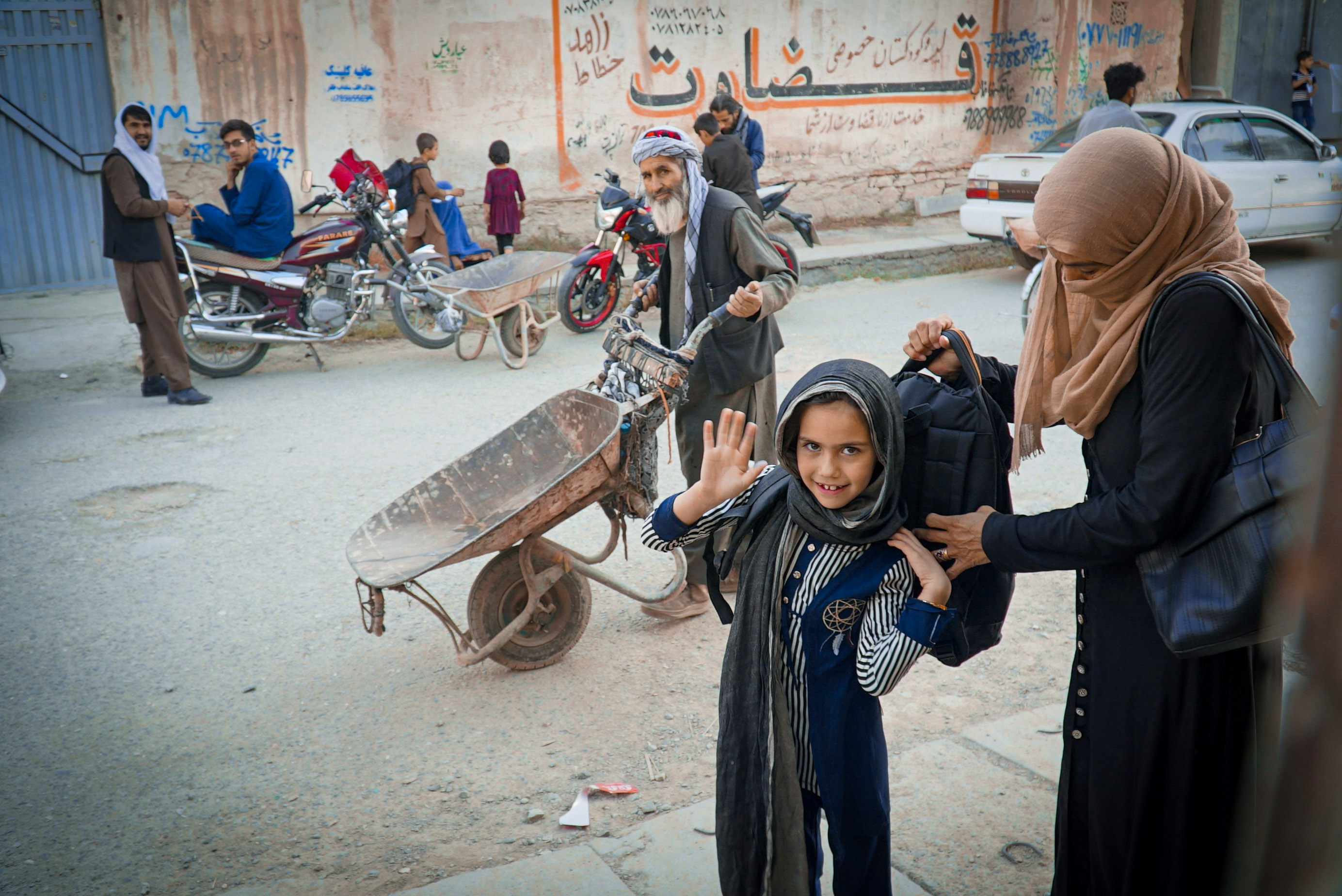
KABUL, Afghanistan – For many Afghan children, education is interrupted not by lack of ambition but by pressure around them: household poverty, displacement, long distances to learning spaces, and restrictions that continue to affect girls' access to secondary and higher education.
UNICEF has reported that millions of Afghan girls have been deprived of education beyond sixth grade. Even where younger children can attend classes, families still struggle with school supplies, transport, learning loss, and the emotional weight of uncertainty.
Nations Foundation writes this story to underline a simple point: when formal systems are fragile, learning continuity must be protected through practical, family-centered support.
Small materials can protect big possibilities
A notebook, pen, reading text, or safe learning space may seem small, but for a child living through disruption these items can restore routine. They tell the child that learning is still possible and that their future has not been forgotten.
Community-based education, home learning support, tutoring, and digital learning options can help reduce learning loss when children cannot access regular classrooms consistently.

Education support must include families
Children do not learn in isolation. Families need information, encouragement, and sometimes basic relief so they are not forced to pull children away from learning because of immediate survival needs.
Nations Foundation's education approach is rooted in dignity: support the child, listen to the family, and work with community actors who understand local realities.
Related Content
More Stories
Press Release
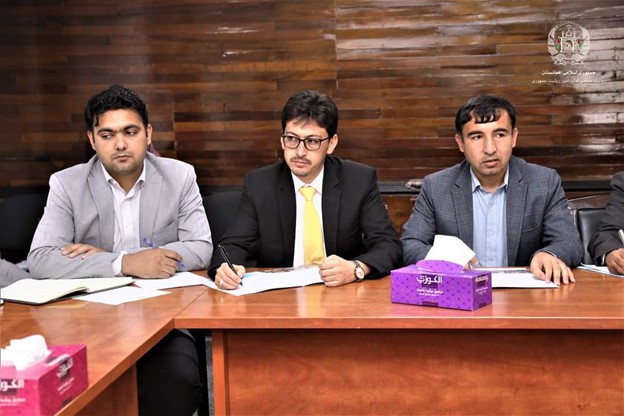
Nations Foundation meets with AOP officials to advance meaningful youth participation
Representatives discussed meaningful youth participation, youth development, and stronger collaboration for inclusive youth engagement in Afghanistan.
Read storyPress Release
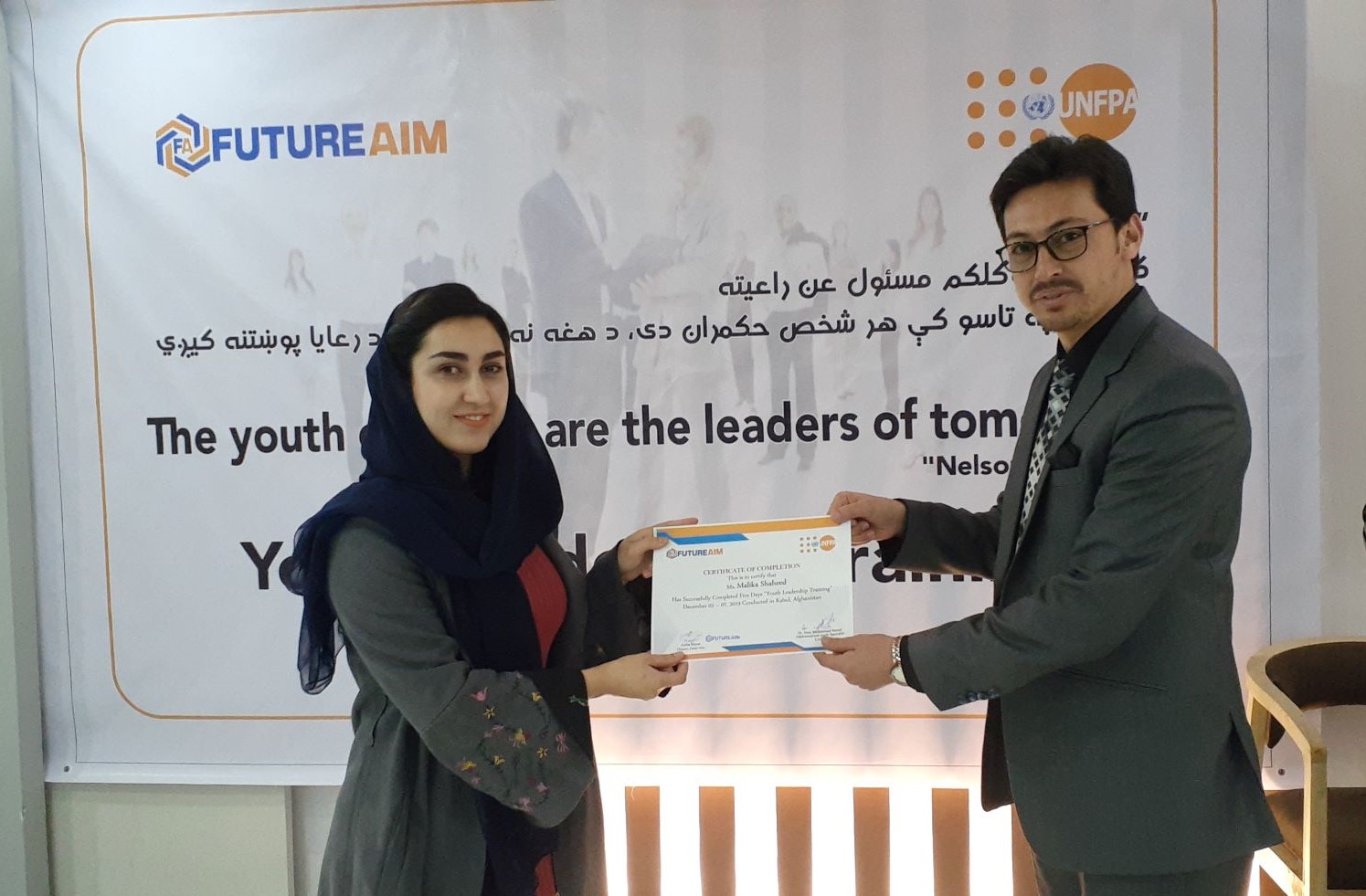
Nations Foundation conducts leadership training for youth and civil society
Nations Foundation conducted a leadership development training for civil society members and young journalists to strengthen leadership, communication, teamwork, and community engagement skills.
Read storyResearch

Why youth participation matters for Afghanistan's recovery
Afghanistan's future depends on whether young people are treated only as beneficiaries of aid or as active partners in rebuilding communities.
Read story