
Research
Why youth participation matters for Afghanistan's recovery

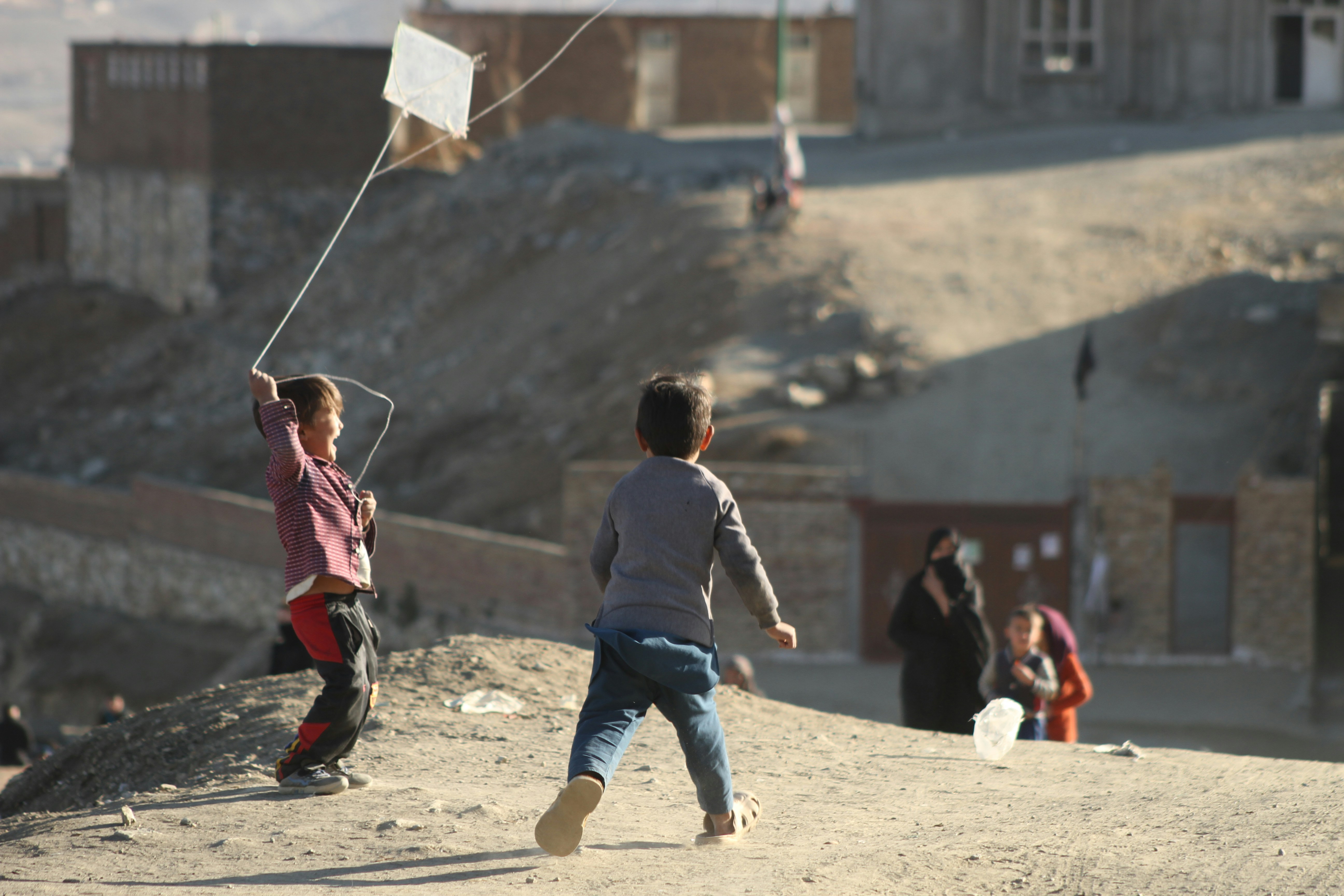
KABUL, Afghanistan – Afghanistan's long-term recovery cannot be separated from the role of its young people. Across the country, youth face economic pressure, disrupted education, limited employment pathways, and a shrinking space for public participation, yet they remain one of the strongest sources of community energy and problem-solving.
This Nations Foundation research note looks at youth participation as more than a slogan. Meaningful participation means young people are included in planning, consultation, local problem-solving, volunteer work, skills development, and decisions that affect their future.
Public humanitarian reporting on Afghanistan continues to show that families are facing overlapping pressures: poverty, displacement, food insecurity, restrictions on education, and reduced aid funding. In that environment, youth engagement becomes a practical tool for resilience, not a symbolic activity.
From beneficiaries to contributors
Many youth-focused programs fail when young people are treated only as recipients of services. Stronger programs ask young people what they see in their communities, what barriers they face, and what role they can realistically play in local solutions.
For Afghanistan, this approach matters because young volunteers, students, journalists, and civil society actors often understand local needs faster than distant institutions. Their participation can improve communication, accountability, and trust between communities and service providers.
What meaningful participation requires
Real participation requires safe spaces, basic training, mentorship, and clear channels for young people to share ideas with civil society, educational institutions, and public offices.
Nations Foundation believes youth development should focus on skills, confidence, ethical leadership, and service. These investments help young people move from frustration to constructive action and help communities benefit from their energy and creativity.
Related Content
More Stories
Press Release
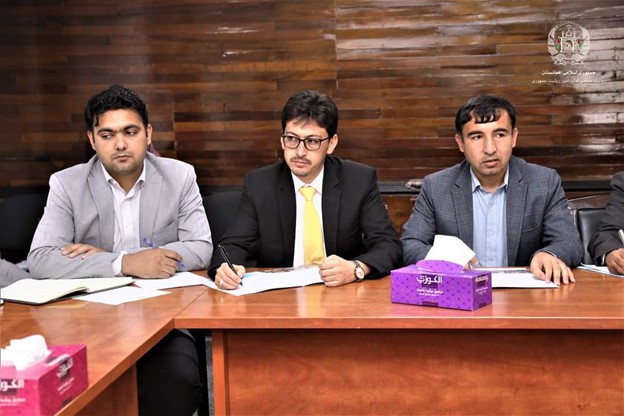
Nations Foundation meets with AOP officials to advance meaningful youth participation
Representatives discussed meaningful youth participation, youth development, and stronger collaboration for inclusive youth engagement in Afghanistan.
Read storyPress Release
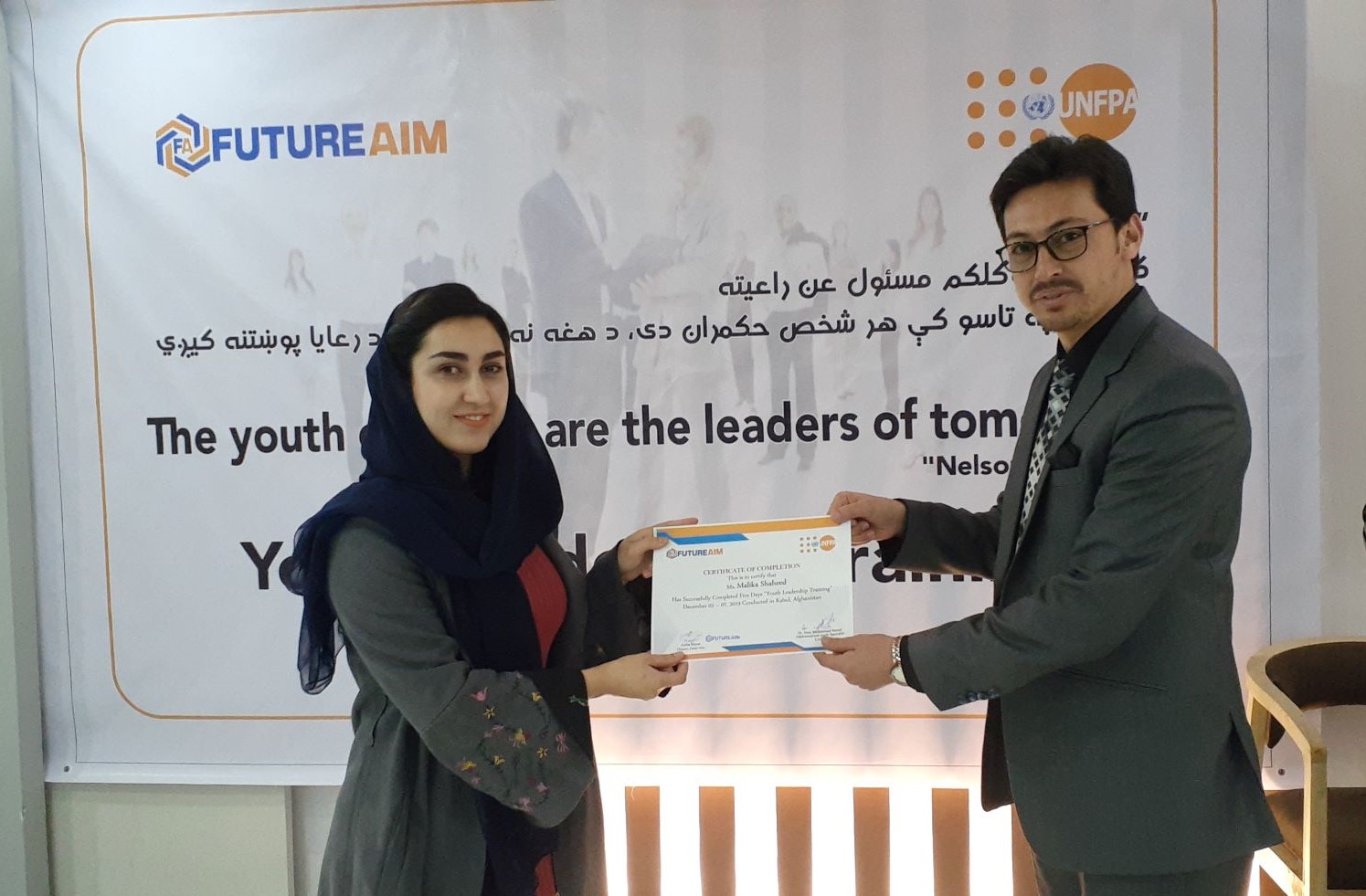
Nations Foundation conducts leadership training for youth and civil society
Nations Foundation conducted a leadership development training for civil society members and young journalists to strengthen leadership, communication, teamwork, and community engagement skills.
Read storyStories
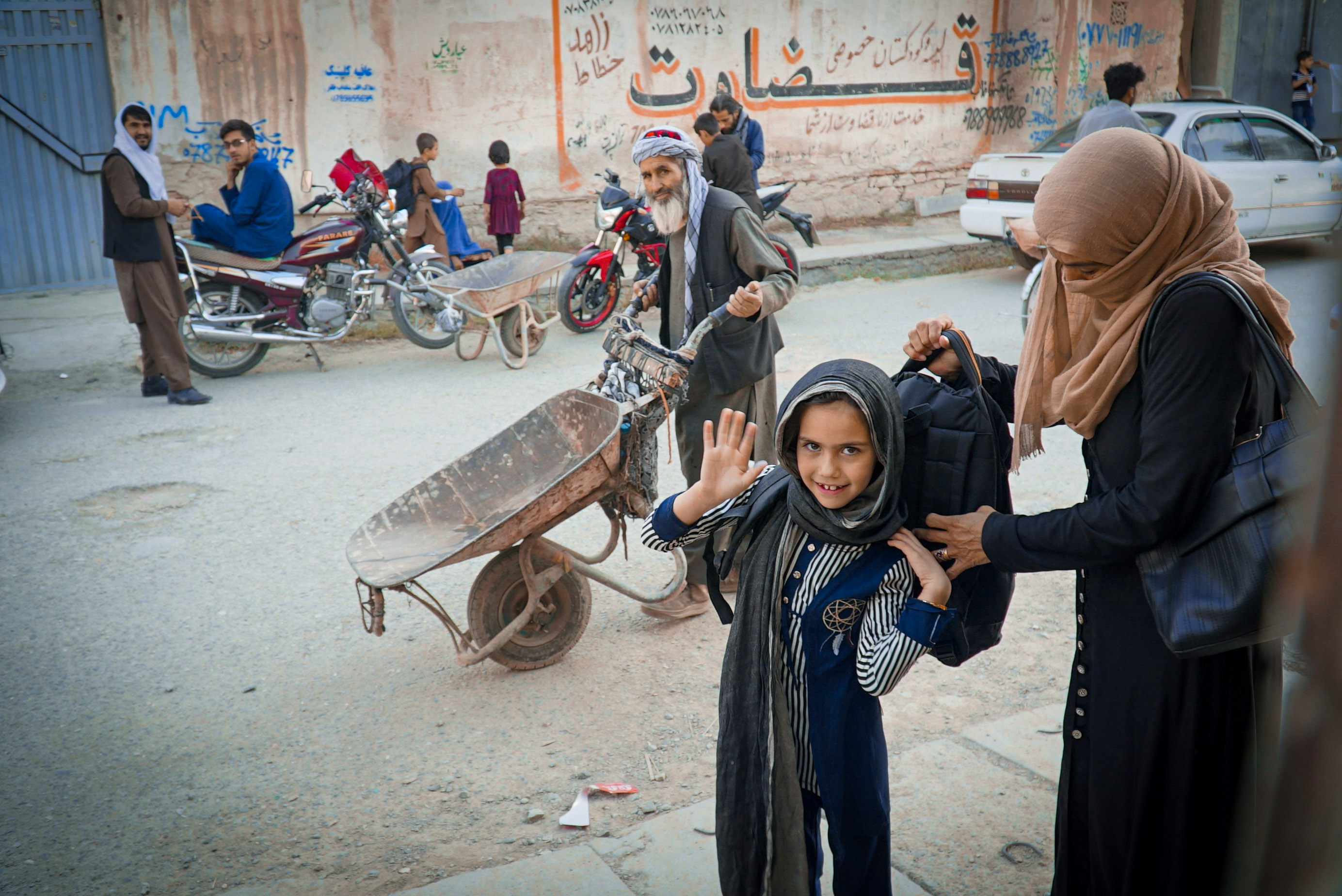
Keeping learning alive for Afghan children when school access is fragile
A Nations Foundation story on why learning materials, family support, and community-based education remain essential for Afghan children.
Read story